

5 Signs of Cockroach Infestation in the House
Cockroaches are highly resilient pests that can quietly establish breeding populations inside residential structures before homeowners ever catch a glimpse of an active insect. Recognizing the early, often subtle structural and sensory indicators of their presence is vital to addressing a pest problem before it expands into a widespread, hazardous crisis. Proactive homeowners must remain alert to environmental shifts within their living spaces to catch nesting activity early. Utilizing the professional intervention of local exterminators ensures that these cryptic pests are completely eradicated using commercial-grade treatments.
Detecting Unusual Odors Indoors
Cockroaches emit a distinct, highly persistent musty odor that often serves as the first hidden warning sign of a growing infestation. This offensive smell is caused by aggregation pheromones and chemical secretions that the insects naturally produce to communicate nesting locations and identify breeding partners. Unlike normal household odors that dissipate with proper ventilation, this signature pest stench is heavy, oily, and intensely reminiscent of decomposing food matter or stagnant water. It remains trapped in unventilated zones, becoming increasingly noticeable to residents over time.
As a population grows within wall voids or crawlspaces, the airborne odor strengthens significantly due to the ongoing buildup of decaying organic material, discarded exoskeletons, and fecal matter. Because these insects are nocturnal, the musk is typically strongest during the overnight hours when the pests leave their nests to forage for food and water. If a room develops a strange, persistent stench with no identifiable origin, you should look for hidden insect harborage nearby. Identifying these unusual scents early allows homeowners to contact local exterminators to find the exact nesting site before the insects spread further.
This heavy odor tends to concentrate near primary pest gathering points, such as behind kitchen backsplashes, underneath large appliances, and around leaking bathroom pipes. Prolonged exposure to these airborne chemical secretions degrades overall indoor air quality, which can cause severe respiratory discomfort for individuals suffering from chronic allergies or asthma. Regular cleaning, moisture control, and structural inspections are necessary steps to make these zones unattractive to pests. Eliminating hidden water sources and maintaining low humidity levels will disrupt their survival and reduce the heavy pheromone scent.
Identifying Droppings and Feces
The presence of physical droppings is one of the most reliable and visible signs that an active population has moved into your home. Small cockroach species leave behind tiny, dark fecal pellets that closely resemble ground black pepper or coffee grounds scattered across surfaces. These small droppings are frequently found clustered in dark corners, inside kitchen cabinets, along baseboards, and near food storage areas where the pests forage. Because these droppings are very small, they are easily overlooked during routine cleaning unless a deliberate inspection is performed.
These fecal deposits contain potent allergens and specific proteins that can trigger acute asthma attacks and severe allergic reactions, particularly in young children and immunocompromised individuals. Furthermore, pest feces carry dangerous pathogenic bacteria, such as Salmonella and E. coli, which can easily contaminate kitchen countertops, cooking utensils, and uncovered food supplies. When these droppings are discovered, they must be cleaned immediately using protective gloves, face masks, and sanitizing disinfectants to neutralize dangerous airborne pathogens. Keeping pantry items stored in airtight glass or thick plastic containers prevents foraging insects from contaminating your food supply.
To accurately assess the size of an infestation, it is helpful to note that mouse droppings are noticeably larger and shaped like small pellets with pointed ends, whereas cockroach droppings feature distinct ridges along the sides. If you discover a significant volume of concentrated fecal matter behind your refrigerator or underneath the kitchen sink, it indicates a severe, long-term pest issue. Relying on professional local exterminators to handle comprehensive sanitation and targeted baiting ensures that contaminated zones are safely treated. Professional treatment eliminates the microscopic biological hazards that these pests leave behind on your property.
Recognizing Found Egg Casings
Finding egg casings, professionally known as oothecae, is a definitive warning sign that pests are actively reproducing inside your home. These hard, capsule-like structures are typically dark brown or reddish-tan, measuring roughly half an inch in length, and are designed to protect the developing embryos from household pesticides. According to Family Handyman, female cockroaches lay capsules that have up to 40 individual eggs. This incredible reproductive rate means that a single surviving female can rapidly cause a massive infestation within a few weeks if her egg casings are left undisturbed.
Pests securely glue these protective capsules inside dark, hidden crevices where they are safe from predators and human disturbance. Common hiding spots include the deep corners of bathroom vanities, behind loose wallpaper, within structural baseboard gaps, and inside the insulation jackets of household appliances. Homeowners must carefully check these hidden areas with a flashlight to locate and remove the capsules before the next generation hatches. Finding even a single discarded casing indicates that a successful breeding cycle has occurred and requires immediate pest control intervention.
Locating Discarded Shed Skin
As cockroaches grow from small nymphs into mature adults, they must progress through multiple developmental stages by shedding their rigid outer exoskeletons. This natural biological process is called molting, and it leaves behind pale, translucent skins that perfectly match the shape and size of the growing insect. Finding clusters of these empty, hollow shells inside closets, pantries, or wall voids confirms that a juvenile population is successfully growing and maturing within the structure. The size of the shed skins provides valuable insight into the maturity levels and growth stages of the hidden population.
These discarded exoskeletons are highly fragile and easily break down into fine airborne particles that mix with household dust. Just like fecal matter, the proteins found within these shed skins are powerful allergens that can cause skin rashes, watery eyes, chronic sneezing, and severe respiratory irritation when inhaled. Consequently, discovering piles of shed skin behind storage boxes or furniture highlights the urgent need for deep cleaning and air filtration. Regularly vacuuming hidden spaces and utilizing high-efficiency air filters helps remove these airborne contaminants from your living environment.
Observing Daylight Physical Sightings
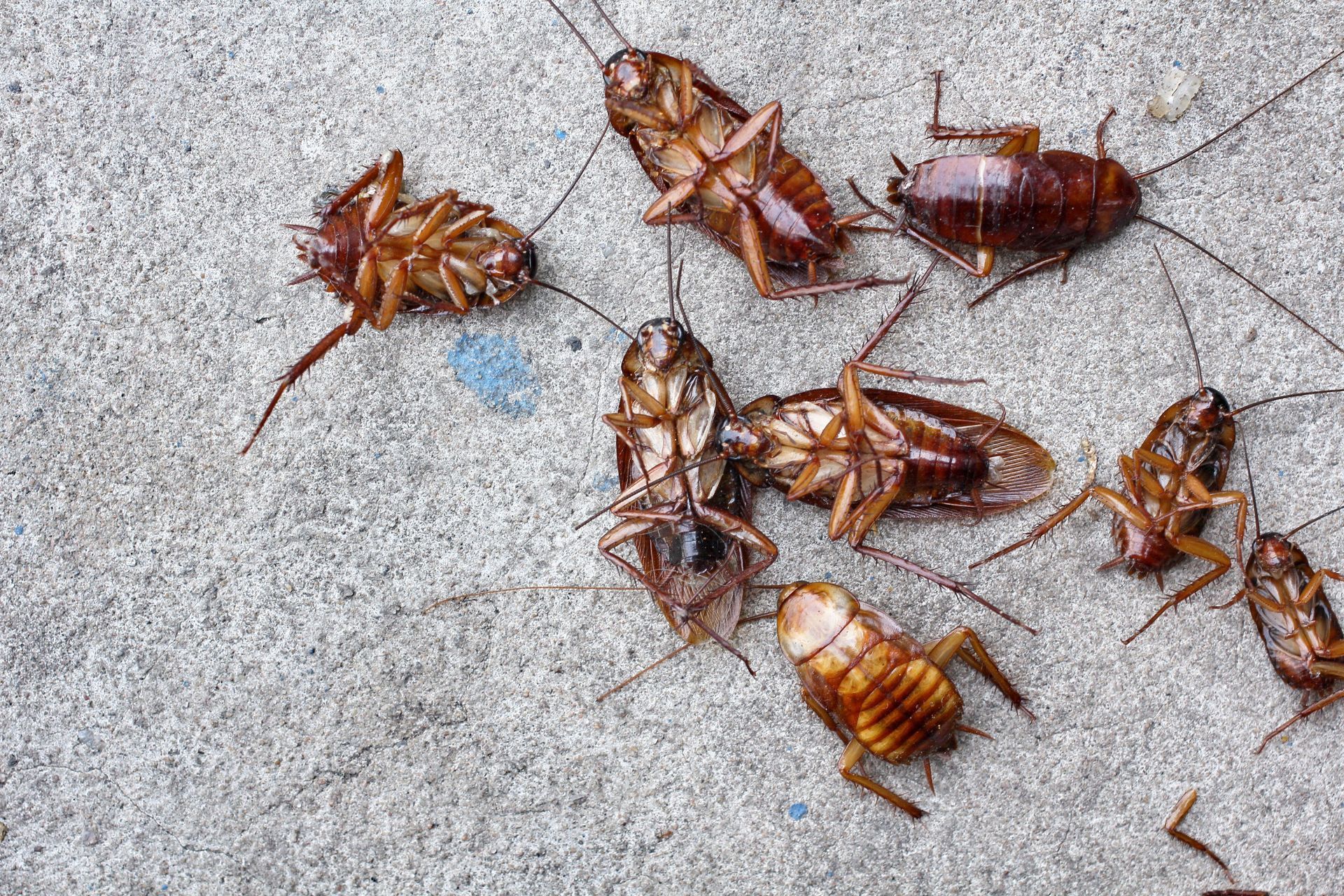
Because cockroaches are naturally nocturnal creatures that prefer total darkness, actually spotting a live insect inside your home during daytime hours is a strong warning sign of a severe infestation. When populations grow too large, their preferred nesting sites behind walls and inside cabinets become overcrowded, forcing weaker insects out into the light to search for food. Seeing an active cockroach during the day indicates that the hidden nests are full and the pest population has reached a critical density. These daytime sightings require immediate, aggressive pest control measures to prevent further expansion.
Different cockroach species exhibit distinct behaviors; for example, the small German cockroach thrives in warm, humid kitchen environments, while the larger American cockroach prefers damp basements and sewer connections. Correctly identifying the specific species invading your home is essential for choosing the right baiting strategies and elimination methods. Homeowners should carefully note where live insects are seen to help pest control professionals apply treatments precisely. Setting out sticky traps in areas with high activity can help monitor pest movements and confirm which species is present.
Ignoring the early signs of a cockroach infestation can lead to rapid population growth, substantial property damage, and serious health hazards for your family. By staying alert to unusual odors, droppings, egg casings, shed skins, and daytime sightings, you can take action before the pest population gets out of hand. Maintaining a clean, dry, and sealed home is your best defense against these invasive, disease-carrying pests. For more information about the services that we offer, reach out to our incredible team at Green Planet Pest Control, Inc. today!


Share On: